
Even tiny grins need some TLC! Set your baby’s smile up for a lifetime of thriving oral health with our specialized infant care.

The American Academy of Pediatric Dentistry (AAPD) recommends that children see the dentist by their first birthday. Primary or baby teeth typically begin to erupt by 6 months of age, and it’s important to have your infant’s first teeth examined by a board-certified pediatric dentist to ensure their oral health is on the right track.
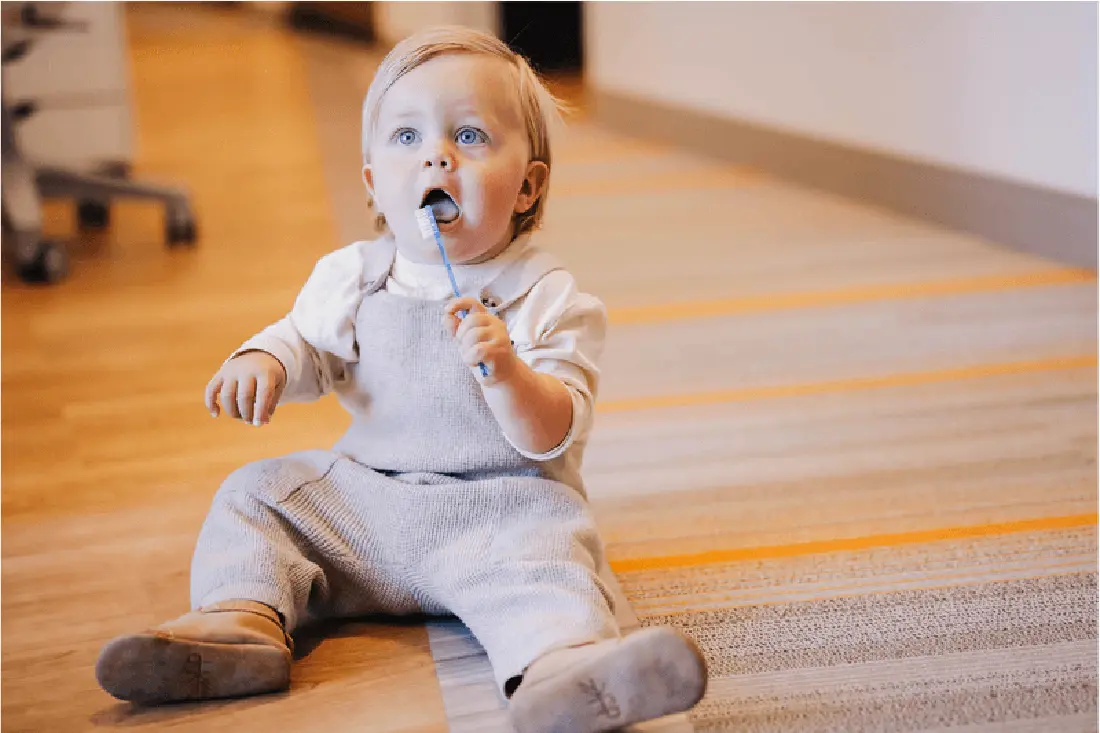

Your baby’s teeth started to develop before they were born.
This is the differentiator paragraph copy. This is the differentiator paragraph copy. This is the differentiator paragraph copy. This is the differentiator paragraph copy.

Insurance-friendly office
Healthcare financing
Set your little one's smile up for success with a complimentary visit!
See real patient success stories.
Baby teeth hold space for adult teeth and help your child chew and speak. Early visits protect those first teeth and set the stage for a lifetime of healthy smiles.
From teething and bottle use to brushing tiny teeth, we give you practical, age-appropriate tips so you feel confident caring for your baby's smile at home.
Babies who visit early grow up seeing the dental office as a familiar, friendly place, which makes future visits easier for everyone.

Your baby's first visit is short and relaxed. We'll get to know your family, talk about your baby's health and answer any questions you have.

With your baby on your lap, the dentist gently checks their gums, emerging teeth and bite, looking for early signs of decay or anything unusual.

We'll show you how to clean your baby's teeth, talk about teething, diet and habits, and recommend when to come back for their next checkup.

The American Academy of Pediatric Dentistry recommends a first visit by your baby's first birthday, or within six months of their first tooth appearing.
Wipe your baby's gums with a soft, damp cloth after feedings. Once teeth appear, brush twice a day with a soft infant toothbrush and a smear of fluoride toothpaste about the size of a grain of rice.
It's best to avoid it. Milk, formula and juice can pool around the teeth overnight and cause early childhood cavities. If your baby needs a bottle to fall asleep, fill it with water.
A clean, chilled teething ring or gently rubbing your baby's gums with a clean finger can help. Avoid numbing gels and teething necklaces. If your baby seems very uncomfortable or runs a high fever, check with your pediatrician.


